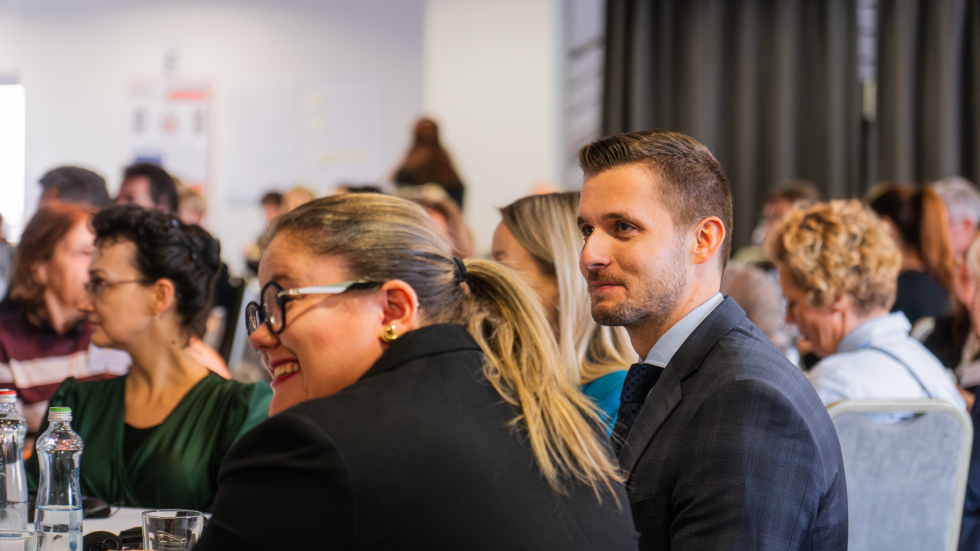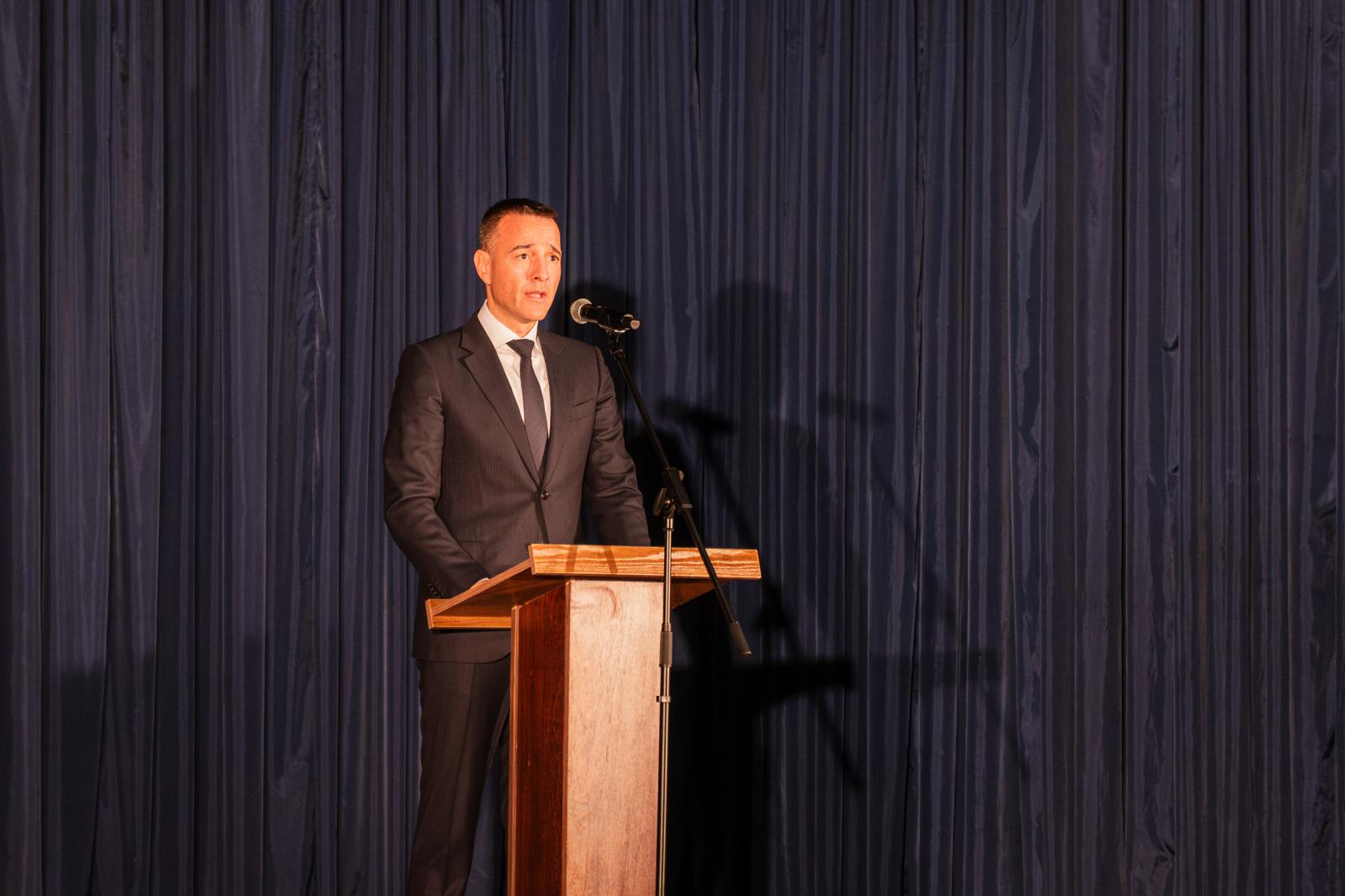
As part of EASNIE’s recent bi-annual meeting in Bratislava, the Slovakian Ministry of Education, Research, Development and Youth hosted a conference titled ‘Towards inclusive education: new challenges and approaches’. The conference took place on 6 November and was organised together with EASNIE and Comenius University.
Following an official welcome from Ministry representative and EASNIE Representative Board member Kálmán Petőcz, the Slovakian State Secretary for Education, Ján Hrinko, opened the meeting. He outlined the importance of including teachers, families and other stakeholders in developing inclusive education, and the need to ensure opportunities for early childhood education for all children.
EASNIE Director João Costa and Eva Viglašová, Vice-Rector for Education and Social Affairs at Comenius University, also gave opening addresses. Speakers then gave overviews of several initiatives in Slovakia to improve inclusion for all learners. First, Veronika Rybová (Opportunities for All) and Martina Sajková (Support for Educational Opportunities) presented their projects, which tackle racial segregation among Roma children and support the reintegration of learners with mild intellectual disabilities into mainstream education, respectively. They outlined their projects’ on-going challenges and plans to monitor impact and strengthen inclusive support systems.
Next came a presentation of early childhood education initiatives in marginalised communities, such as Misia1000, PROFI MAMY and Omama, which empower families through community-based support. These programmes improve child development and parental skills, promote collaboration with local professionals, and build trust between families and healthcare systems.
Katarína Reinoldová from the Ministry highlighted the vital role of parents in inclusive education, stressing collaboration between families, schools and communities to support learners with diverse needs. She discussed National Institute of Education and Youth (NIVAM) initiatives, including peer-learning, conferences and online resources, to promote awareness and share best practices.
Ms Reinoldová also discussed Slovakia’s efforts to create accessible digital education, equipping all schools with modern technology and support for learners with special educational needs. The DigiEDU programme, for example, supplies digital devices and inclusive tools to promote equal opportunities and digital skills for all learners and teachers.
In the afternoon, participants engaged in group sessions on the four conference topics: From projects to systemic change: how to ensure sustainable desegregation in education towards social inclusion; Early childhood care in marginalised communities; Parents in inclusive education; and Accessibility and digitisation.