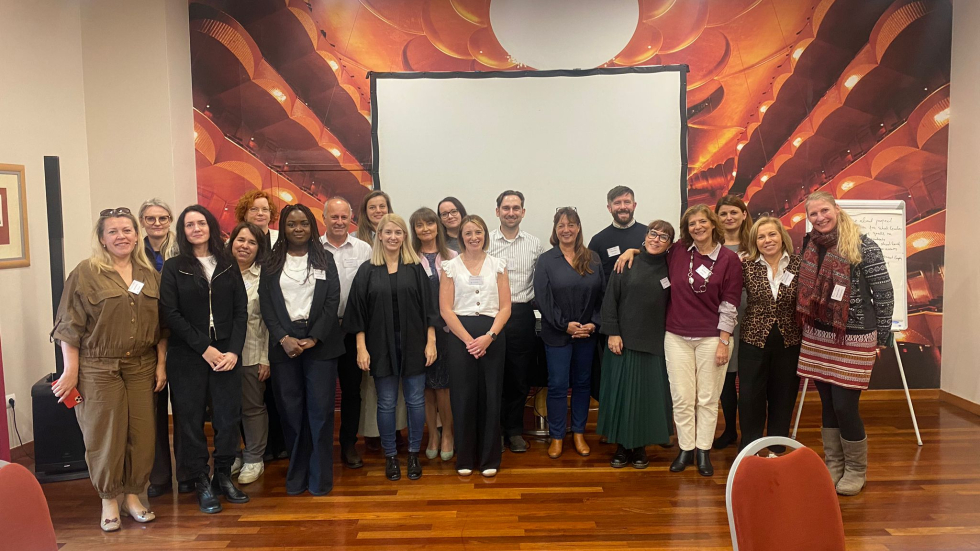
The third peer-learning activity (PLA) in the Learner Participation in Inclusive Education (LPIE) activity took place in Lisbon, Portugal, at the end of November.
Teachers and stakeholders from the six countries taking part – Czech Republic, Estonia, Lithuania, Netherlands, Portugal and United Kingdom (Scotland) – joined EASNIE team members and country policy-makers to discuss recent pilot projects carried out as part of the LPIE work. The piloting projects involved stakeholders in the participating countries implementing photovoice projects, using photography to empower learners to reflect on their socio-emotional participation, well-being and inclusion in general, highlight issues and advocate for change.
Over two days, PLA attendees shared their experiences of using the photovoice methodology and discussed ways to use the results and findings meaningfully at school and policy levels. Data analysts provided information on the themes emerging from the pilot results, including the importance of personal space, safe environments and opportunities for collaboration.
Participants also had the opportunity to visit a school that participated in the photovoice pilot and see an exhibition of their pilot project results. The school principal, the teacher implementing the project, a municipality representative and a data analyst from the University of Évora, who all contributed to the pilot project in different ways, described the rich experiences and positive outcomes of their involvement in the project.
Finally, participants engaged in discussions with inclusive education researchers at the University of Évora’s Colégio de Espírito Santo and explored its teacher training programme.
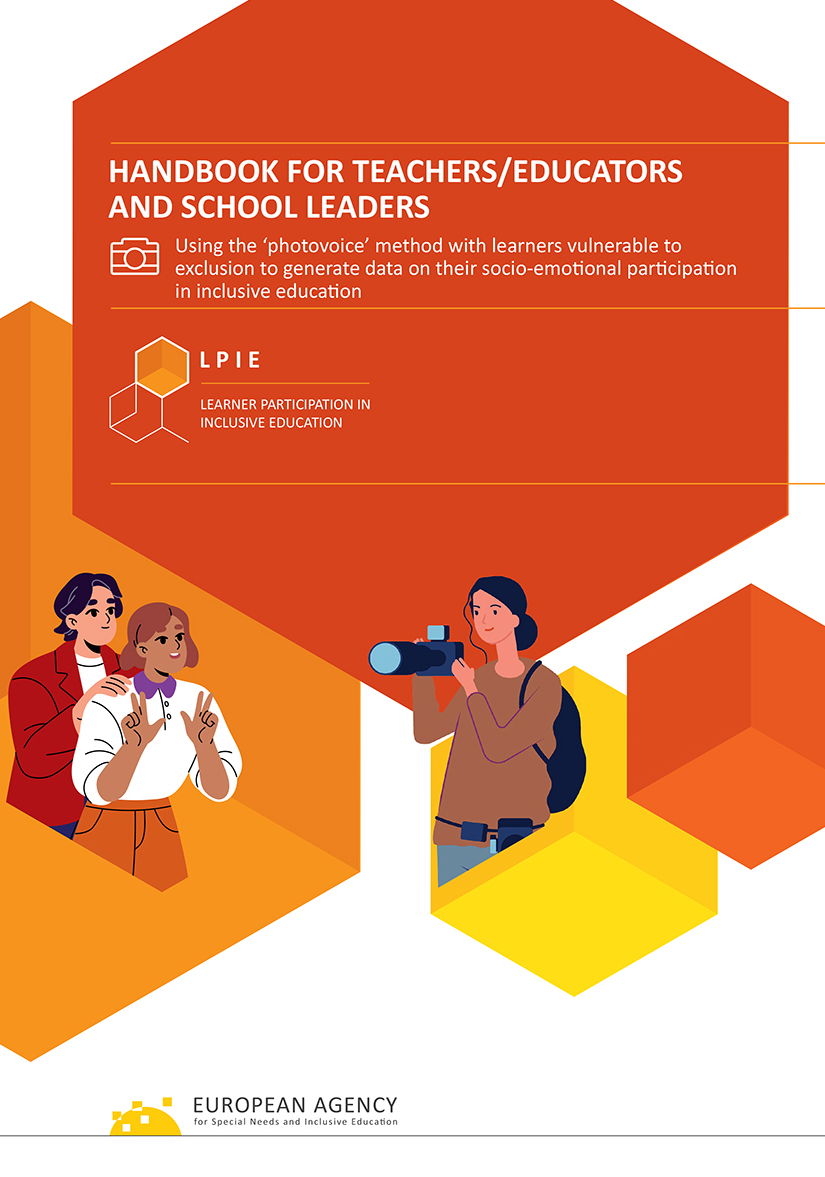
The LPIE team will use the findings from the PLA to further develop the activity’s outputs, including a final handbook on using the photovoice method in schools, which will be published in 2026.
More information on the photovoice pilot is available in a previous news item. A video on the aims and theories behind the photovoice method is available on EASNIE’s YouTube channel. The University of Évora has also published an article on the event (in Portuguese).